You are here: Home/Home Improvement/ 9 Household Pests That Pose Threats to Your Home’s Interior
9 Household Pests That Pose Threats to Your Home’s Interior
A cozy home is a sanctuary for comfort and relaxation, but lurking within its corners are potential threats that can compromise its interior. Household pests, small yet impactful, can wreak havoc on your living space, damaging belongings and even posing health risks.
In this article, we’ll delve into the nine common household pests that can jeopardize your home’s interior, shedding light on the importance of prevention and early intervention.
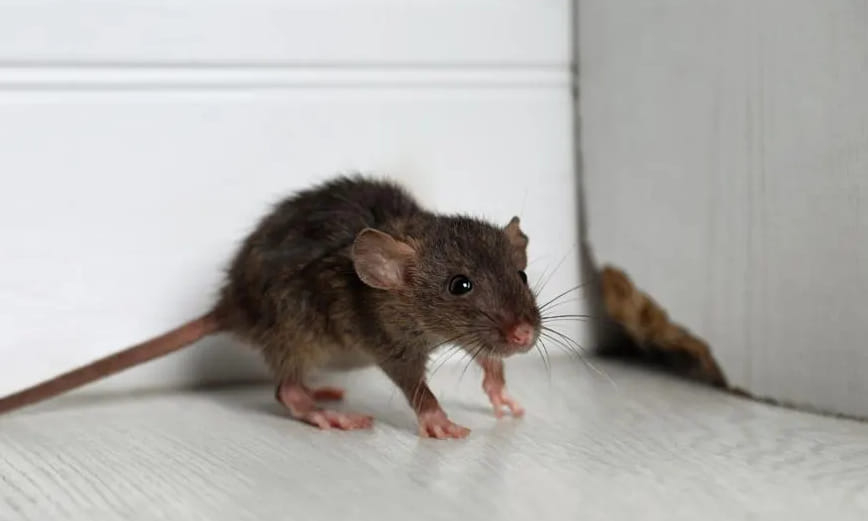
Mice and rats are more than just nuisances; they are disease carriers that can contaminate food and surfaces. Their gnawing habits pose risks to wiring, potentially leading to electrical malfunctions or even fires. Employing traps, sealing entry points, and practicing proper sanitation is key to keeping these pests at bay.
Furthermore, removing clutter and securing outdoor trash cans can discourage their presence around your property. Regularly inspect your home’s exterior for gaps and openings that rodents can exploit.
Termites
Termites, often referred to as “silent destroyers,” can wreak havoc on your home’s structure. Feeding on wood, they weaken foundations, beams, and even furniture from within. Regular inspections by professionals can help detect and address termite infestations before irreparable damage occurs.
Adopting preventive treatments and maintaining proper drainage around your home can deter these pests from settling in. For the best results, consider reliable pest control with Terminix. Pest control companies have the expertise and tools required to safeguard your home from termite threats. Early identification of termite colonies can save you from costly repairs.
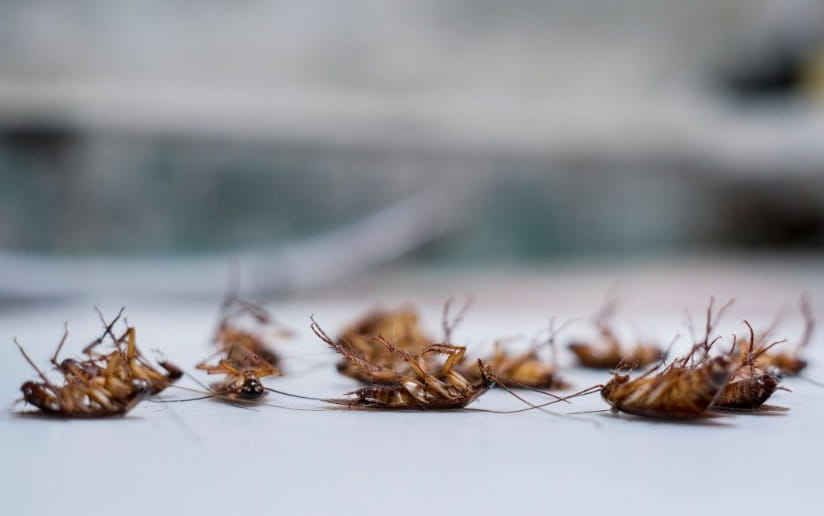
Cockroaches thrive in warm, humid environments and can trigger allergies and asthma. Their ability to rapidly reproduce makes them a formidable foe. Consistent cleaning, minimizing moisture, and blocking entry points can help prevent infestations.
Repairing leaky pipes and improving ventilation are essential steps in creating an environment that’s less hospitable to these pests. Regularly clean and declutter your kitchen to eliminate potential food and water sources for cockroaches.
Bed Bugs
Bed bugs have made a resurgence in recent years, infesting homes and causing sleepless nights. Their bites can lead to itching and skin irritation. Thorough cleaning, regular vacuuming, and early intervention are crucial to prevent these pests from taking over.
Be cautious when bringing used furniture or clothing into your home, as they can be potential carriers of bed bugs. If you suspect bed bug infestations, wash and heat-dry your bedding and linens on high settings.
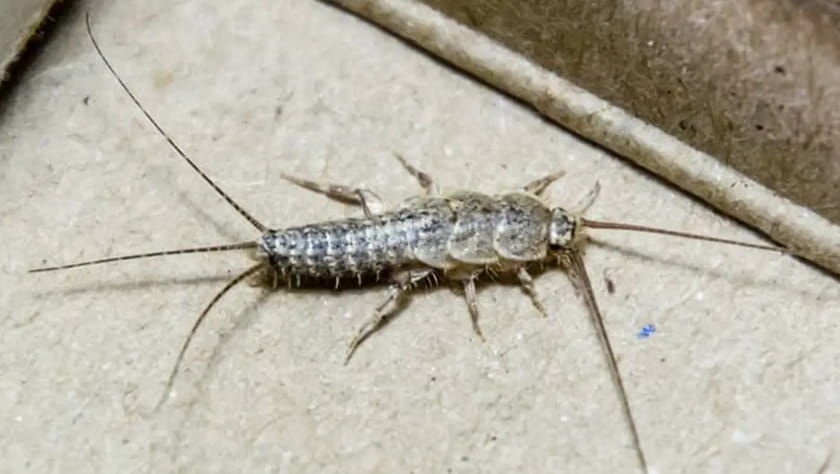
Silverfish, while not dangerous to humans, can damage belongings like books, clothing, and paper. They thrive in dark, damp areas. Reducing humidity levels and proper storage practices can deter their presence.
Installing dehumidifiers and sealing cracks and crevices can limit their hiding spots. Regularly vacuum and dust your home to remove their food sources.
Moths
Clothes moths can ruin your favorite fabrics, while pantry moths infiltrate your food supplies. Regularly cleaning and organizing closets and pantries can help prevent these pests from gaining a foothold.
Vacuuming frequently and storing food in airtight containers can significantly reduce the risk of moth infestations. Inspect second-hand clothing and store items in sealed plastic bags to prevent moth infestations.
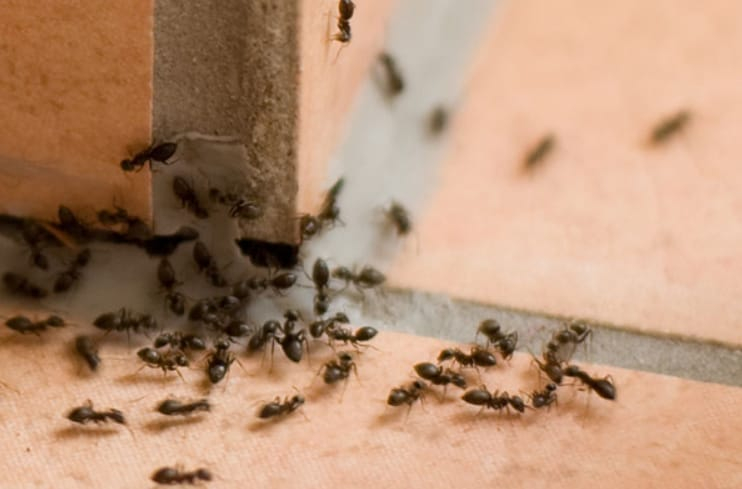
Ants may seem harmless, but they can quickly become a nuisance when they invade your home in search of food. Some species, like carpenter ants, can damage wood structures. Sealing entry points and eliminating food sources are essential in keeping ants at bay.
Regularly inspecting your home’s exterior for cracks and gaps and trimming vegetation away from the house can limit potential and entry points. Keep countertops clean and store food in tightly sealed containers to deter ants.
Fleas and Ticks
Fleas and ticks can enter your home through pets or by hitchhiking on clothing. They not only cause discomfort to pets but can also transmit diseases to humans.
Regular grooming of pets, vacuuming, and maintaining a clean outdoor environment can minimize the risk of infestations. Create a designated area for your pets to play and rest, regularly checking them for fleas and ticks after outdoor activities.
Conclusion
As guardians of our homes, it’s essential to recognize the potential threats posed by household pests to our interiors. These seemingly insignificant invaders can create significant problems if left unchecked. From damage to health risks, their impact is far-reaching.
By staying vigilant, implementing preventive measures, and seeking professional assistance when necessary, you can safeguard your home’s interior from the hidden perils these pests bring.
Maintaining a pest-free environment not only preserves the comfort of your living space but also upholds the safety and well-being of your household.