howardair.com
Knowing when and how to use your air conditioner can also greatly affect its performance. During the hotter hours of the day, keep your windows covered to prevent the sun from warming up your home, thus reducing the load on your air conditioner.
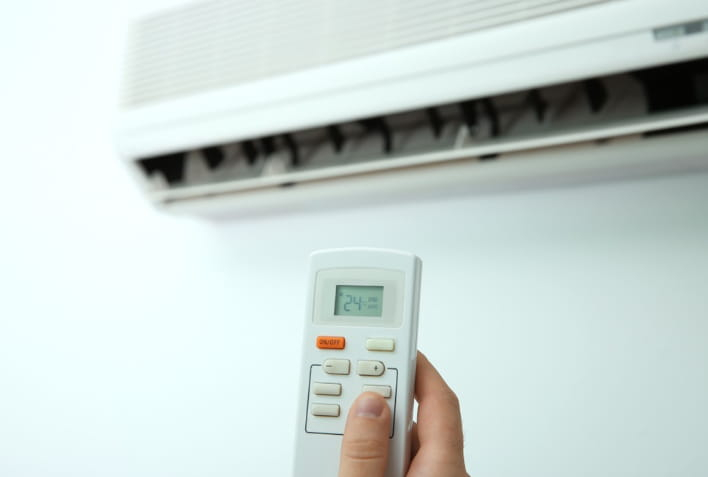
Additionally, it’s advisable to set your thermostat at a comfortable yet energy-efficient temperature. According to the Department of Energy, 78 degrees Fahrenheit (25.5 degrees Celsius) is the optimal setting when you’re at home. Avoid setting your air conditioner to a colder setting than normal when you turn it on.
Invest in Energy-Efficient Options
Lastly, consider investing in energy-efficient options for your air conditioning system. Many modern air conditioners come with features like programmable thermostats, which allow you to set a schedule for your air conditioner, reducing its use when you’re not at home.
An energy-efficient air conditioner not only reduces your energy consumption, but also minimizes wear and tear on the system, thereby extending its life. If your current system is more than ten years old, upgrading to a more energy-efficient model may be worth considering.
Finally, to truly get the most out of your air conditioner, a comprehensive approach is needed. Understanding your system, regular maintenance, strategic use, and considering energy-efficient options, when combined, can result in substantial energy savings and optimal cooling performance. Remember, the key to a cool, comfortable home is not just about having an air conditioning system, but how well you use and maintain it.