You are here: Home/Animal/ 20+ Animals That Start With The Letter M | Names & Pictures
20+ Animals That Start With The Letter M | Names & Pictures
This is a fun blog post about animals that start with the letter M. I’m sure you know some of these, but hopefully, there are some out there that will surprise you!
This article is perfect for kids or adults who love animals and want to learn more about them.
This animal has a brown coat that is black on the shoulders and back, with white fur on its abdomen.
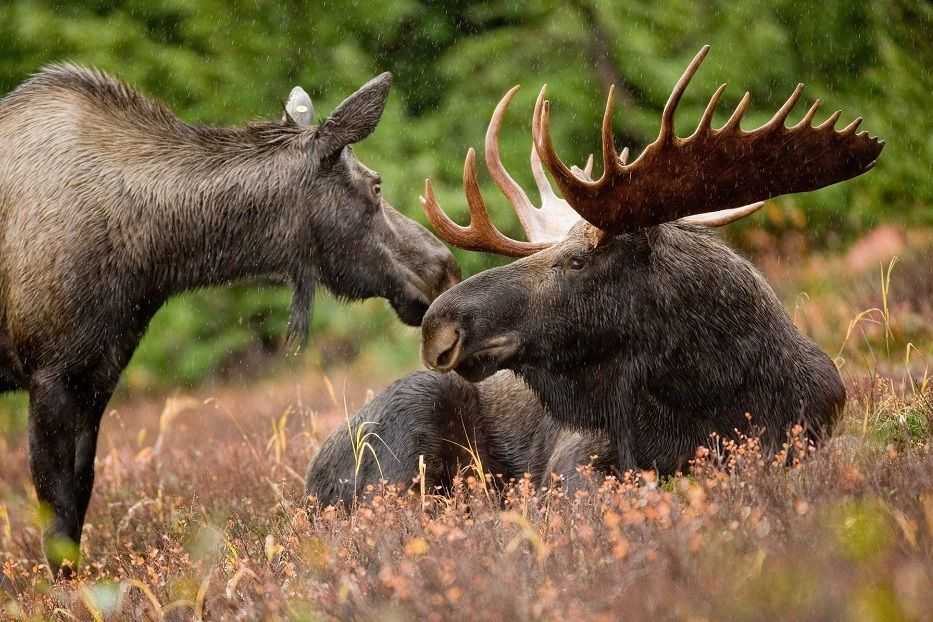
Moose is one of the largest animals in North America and can eat up to 50 pounds of vegetation each day.
Moose live mostly alone or in groups of two or three adults with their offspring.
The moose track is about four inches wide with a butte on either side that looks like “shoes.” These tracks are often found near water sources.
The moose is a herbivore and dines on grass, twigs, bark, and leaves from various trees in the forest.
A male moose can weigh up to 1500 pounds, while females are much smaller than males (generally weighing between 400-600 pounds). Their lifespan is 20 years or more in the wild.
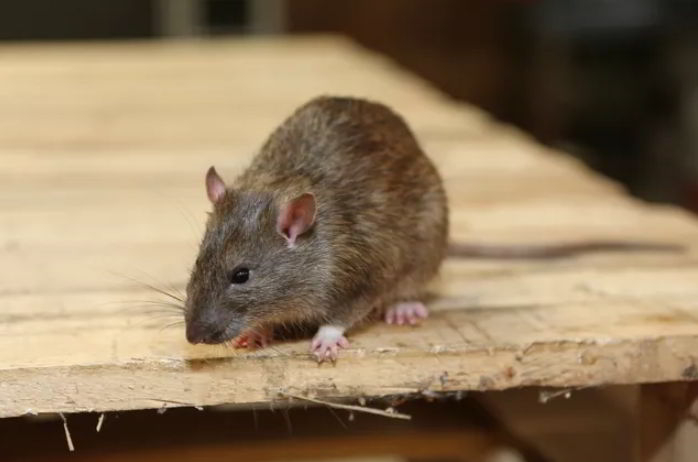
A mouse is a small rodent often used in labs for experiments.
Mice are most active at night and eat almost anything, including cereal grains, nuts, fruits, or vegetables; they can carry diseases such as fleas and ticks.
When a mouse is caught, it will squeal and drop the food that it had been carrying.
The best-known mouse is the common house mouse which can live in any area of a home such as walls, floor, or furniture.
Mice also have teeth that grow continuously throughout their lifetime and therefore need to chew on hard material to help keep them down at an appropriate length.
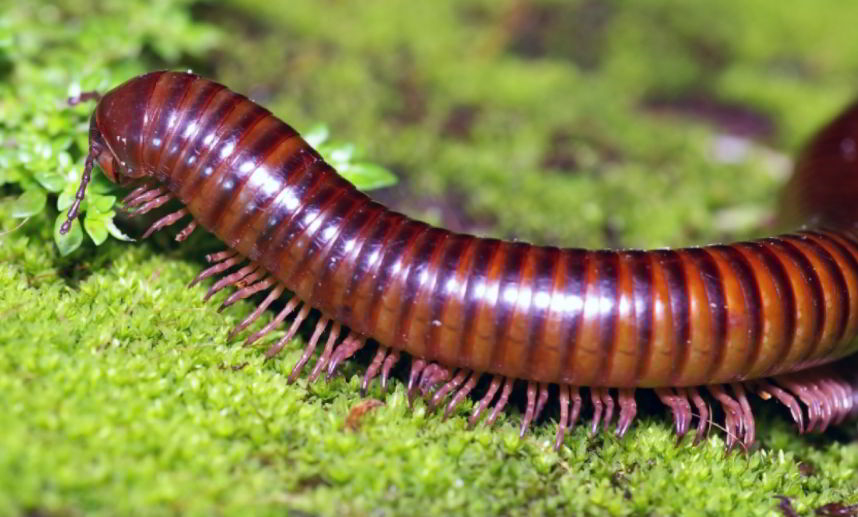
The millipede is a name for worm-like creatures with more than two legs.
Millipedes are often found in moist habitats. They are a good example of an invertebrate, meaning they have no backbone (they do have a hard outer shell).
Millipedes can secrete toxic liquid when threatened or injured, which will make them less attractive to predators.
Some millipedes are harmful to humans, such as the giant African pillbug, which can cause irritation and infection to human skin due to their bristles on their legs – these millipedes should be treated with caution!
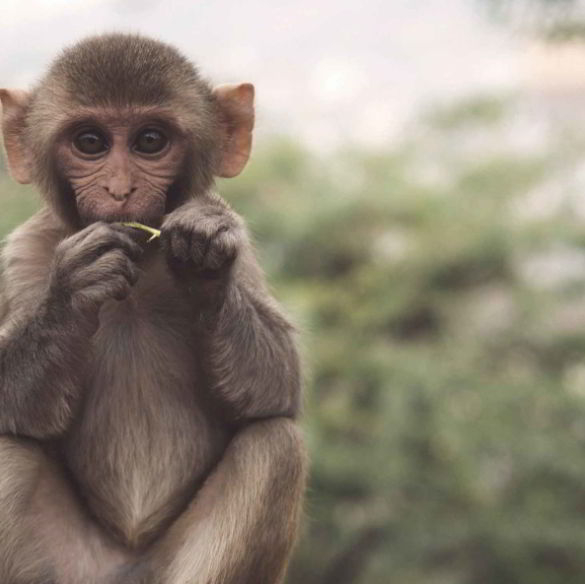
Monkey is a name for a type of primate, a mammal with hands and feet with five fingers on each hand and foot.
Monkeys live in many different parts of the world, including Africa, Asia, North America – they are found mainly in tropical forests or arid deserts.
Some types of monkeys like to eat fruit while others like insects such as ants or termites! They have developed special adaptations so they can do this without getting stung by their prey!
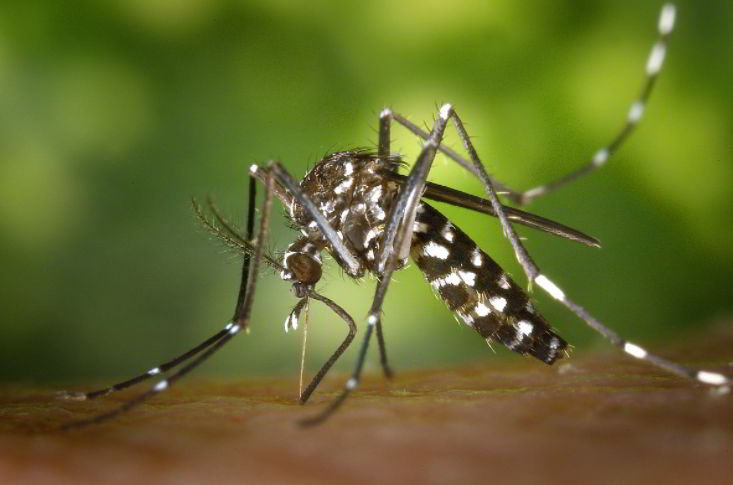
Mosquito is a type of fly that bites humans to get their blood.
They are found worldwide, especially near water, as they need it for layering eggs and larvae! They can even be found in some deserts with standing water, such as a puddle or pond!
Adult mosquitoes use their proboscis (a long mouthpart) to bite animals like monkeys, who make more than 20% of the mosquito’s diet.
Female mosquitoes will bite birds and bats, too, if they have an opportunity! Some species prefer larger mammals because these hosts provide more blood when biting them, including rodents, deer, sheep, and horses.
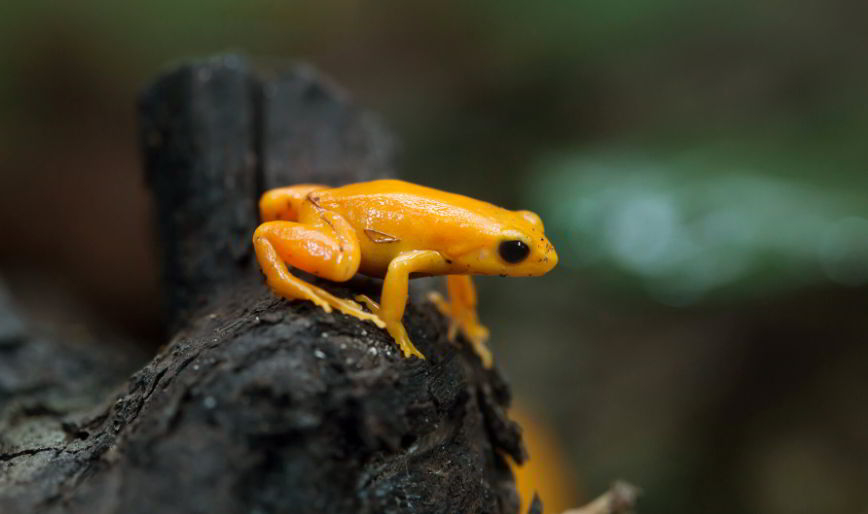
Frogs of the genus Mantella are amphibians found in Madagascar.
They have a life expectancy of up to 15 years and can grow as big as 12 cm! The Mantellas live on land but spend their days hunting for food in the water because they don’t catch insects as other frogs do.
They mainly eat invertebrates, such as snails, slugs, ants, or termites that live near swampy areas by night-time when it’s dark out – so they’re not seen by predators, which may include mongoose or snakes.
Montelena also use their long tongue (which you can see through their mouth) to reach prey hiding under rocks!
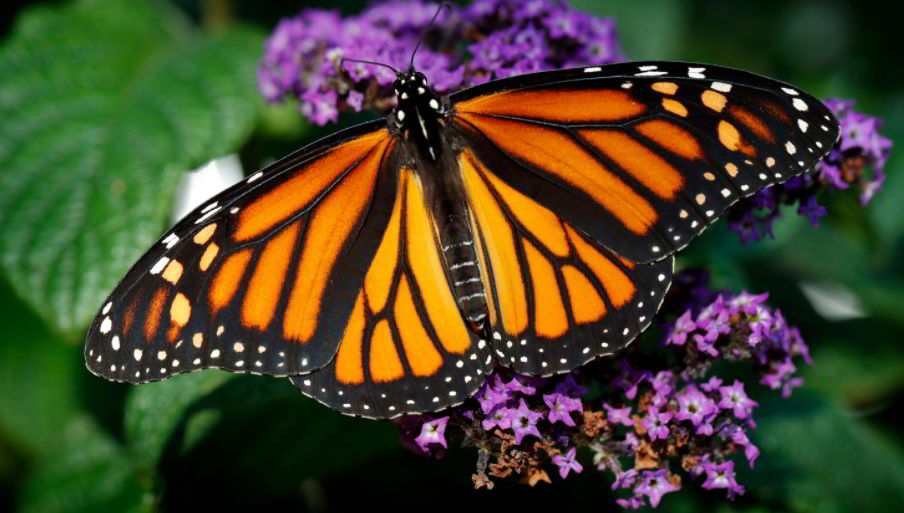
The monarch butterfly is one of the most recognizable butterflies. They can be found in North America and are known for their long migratory patterns that span multiple generations to find a warm winter climate!
The monarch butterfly is also considered an iconic species, which means it has a special status and public support.
It’s easy to spot because of its distinctive orange wing-tips and black veins – plus they’re so large you’ll often see them from across a field or garden!
Monarch larvae feed on milkweed plants, but adults drink nectar from flowers such as dandelions and clover.
The female Monarch lays eggs near milkweeds (she needs these plants herself!), then when her offspring hatch, they will eat the leaves before flying off into trees to spend the winter.
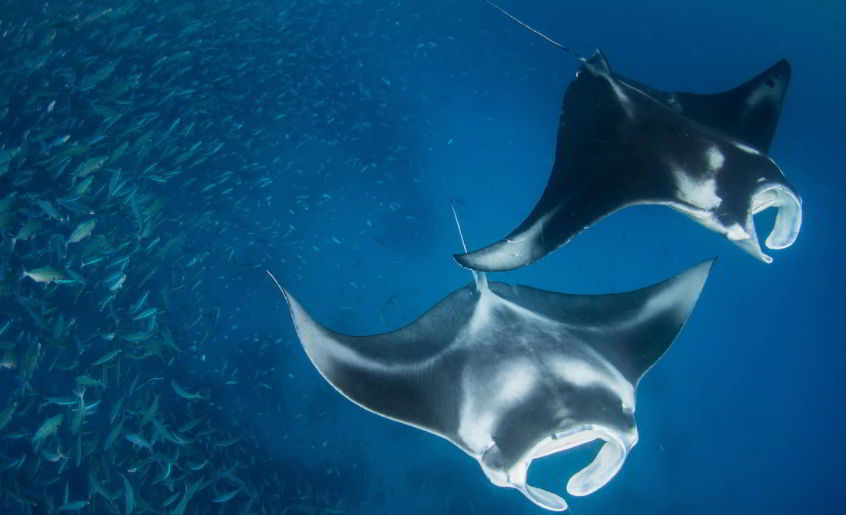
Manta ray is one of the largest rays in the ocean, and it can grow up to 25 feet across! It swims by flapping its wings, which are shaped like a triangle.
Manta Rays mainly eat plankton (tiny sea plants) and use their mouths as filters to catch small animals such as krill or shrimp.
They live close to shorelines and have been seen in many places worldwide, including Mexico, Indonesia, Mozambique, and Sri Lanka.
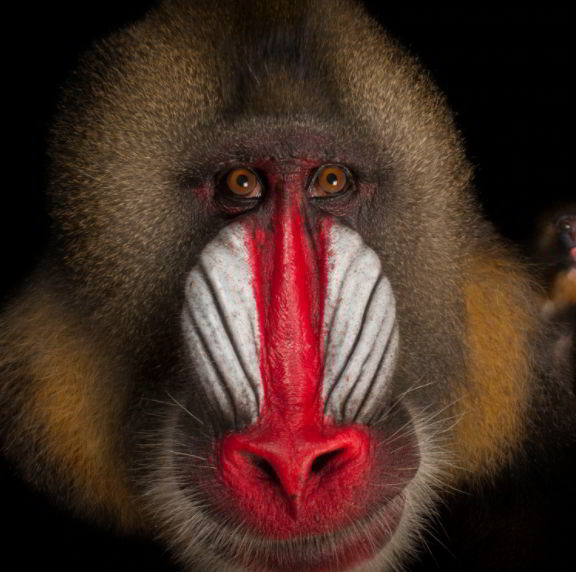
Mandrill is one of the largest primates in the world. It has a very large, brightly colored nose called a “snot-spouter,” which it uses to convey its mood! The mandrill’s face and head are blue, with black ear tufts on either side of their heads.
Mandrills live in rainforests or dry forests where there is plenty of fruit to eat (although they will also feed off insects).
They mostly travel by walking on all four limbs but have been known to climb trees too. Mandrils usually have one male who leads them and defends them from predators such as leopards.
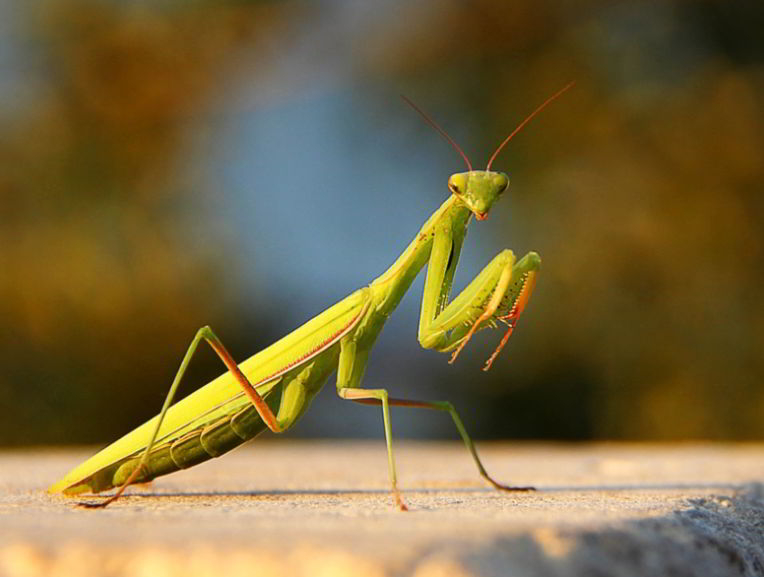
Mantis is one of the most feared animals in Africa and is often spoken of as a “friend” by locals. It can grow up to 14 inches long, with a wingspan of about 17-21 inches, and it can live for up to 20 years!
Mantises are predatory insects that eat other smaller creepy crawlies such as flies, mosquitoes, spiders, and even another mantis.
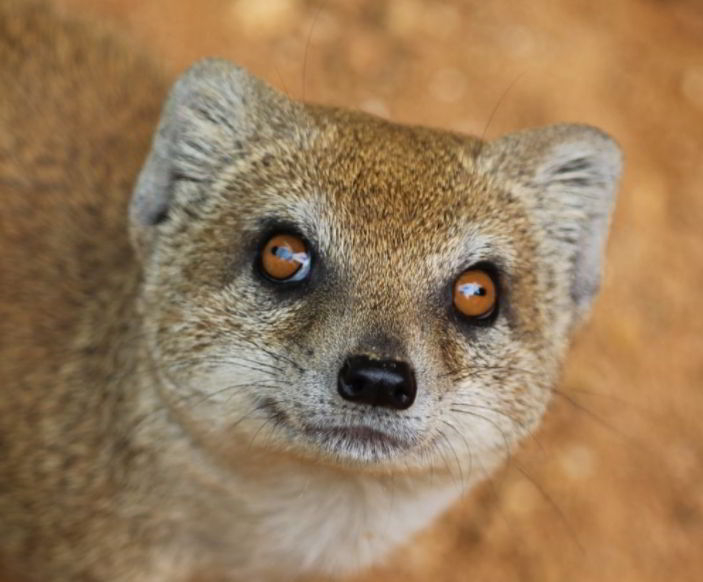
A mongoose is a type of animal that lives in the African and Asian jungles. It is a little bit smaller than your average house cat, but it has much more speed.
Mongooses are most famous for killing snakes, mainly cobras, because they can protect themselves from snake venom by producing antibodies called mongoose-specific antivenom.
Mongooses may look cute, but they are not to be messed with!
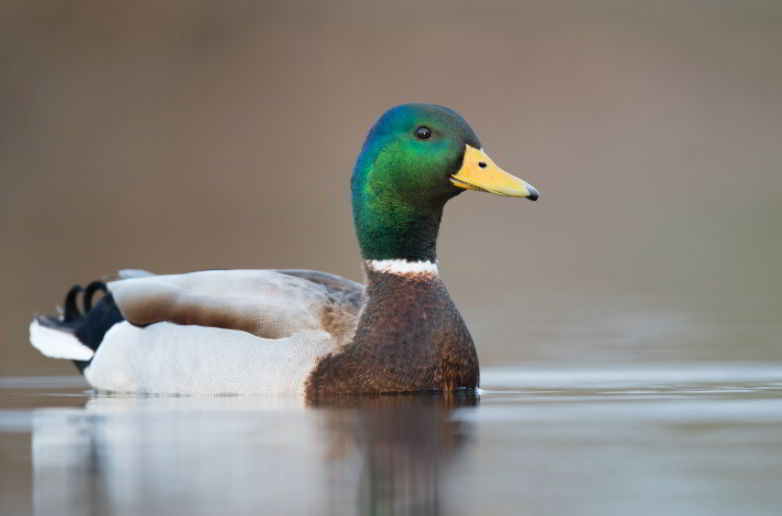
The mallard is a type of duck that is mostly found in North America and Europe.
They are also known as green-headed ducks because they have bright green heads, which help them hide from predators by camouflaging their heads into leaves on trees.
Sometimes mallards come in other colors such as brown, black, and white, but usually, you can find them all looking like camouflage when they’re resting.
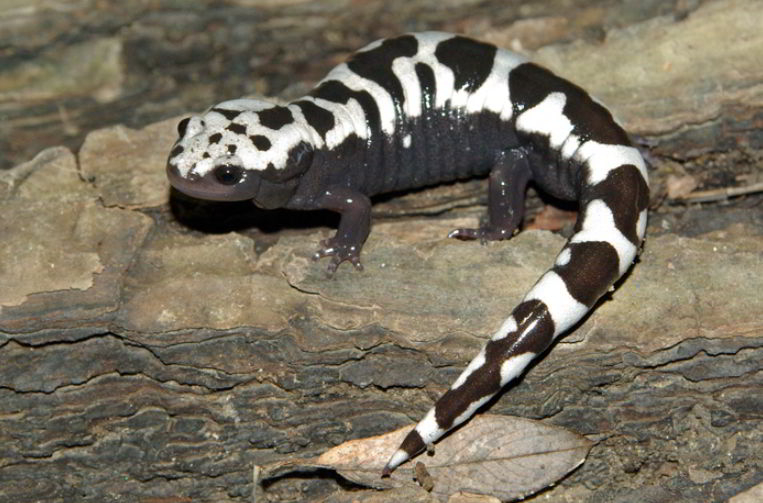
The marbled salamander is the only type of salamander that lives in California.
The creature has two different colors on its back: green or brown and black, like an earthy camouflage for them to hide from predators.
It is dangerous because it can be poisonous but also these creatures will get scared easily if you do something sudden around them, so they’re not easy to find either!
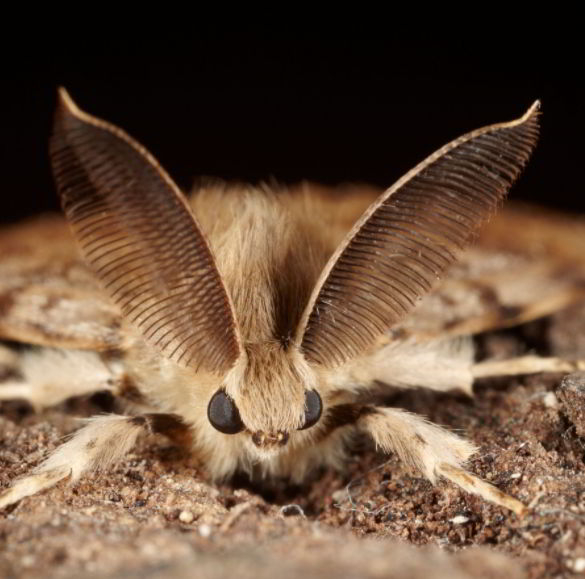
The Moth is like the butterfly, but it doesn’t have any wings and can only fly for a short distance.
Most moths are not harmful to humans because they don’t bite or sting; other than that, their wingspan is as big as an adult’s hand!
The Moth has very long antennae, which helps them find food in the dark of night when there isn’t much light. They also feed on plants during daylight hours.
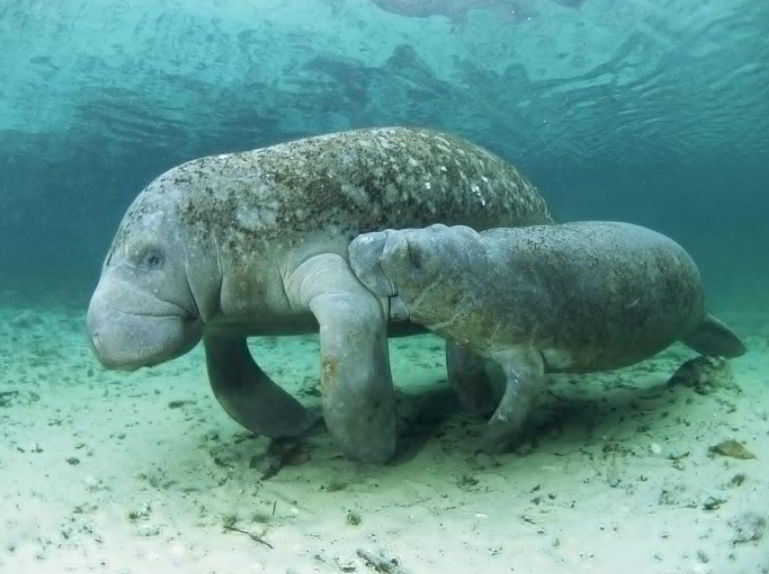
Manatee is a big eater. They eat seagrasses, leaves, and aquatic plants, but they enjoy eating fresh vegetables like carrots or lettuce once in a while.
Manatees are sensitive to cold water, so when it’s wintertime, there can’t be any ice on the water’s surface!
If you want to see them close up, visit places where they’re protected, such as Virginia Aquarium or Zoo Miami, because manatees don’t have gills for breathing underwater, so if their heads get out of the water, then they’ll die within minutes.
These gentle giants could grow up to 13 feet long and weigh over 500 pounds!