You are here: Home/General/ Beyond the Scale: Understanding the Factors Behind Weight Loss
Beyond the Scale: Understanding the Factors Behind Weight Loss
In our quest for the perfect figure, it’s tempting to simply rely on the number on the scale to determine our progress. But weight loss is not that simple, and there are many factors that come into play when shedding those extra pounds.
It’s worth taking the time to understand what’s happening beyond the scale, whether it’s the impact of your diet, your exercise routine, or other external factors. Armed with this knowledge, you’ll be better equipped to achieve sustainable weight loss and improve your overall health and well-being.
So let’s delve into the factors behind weight loss, and discover how we can transform our minds and bodies for the better.
Losing weight can be a challenging and elusive goal for many people, but one proven method to achieve it is by creating a caloric deficit. This means taking in fewer calories than your body needs, which forces it to turn to stored fat as an energy source.
Through portion control and maintaining a balanced diet, you can create this deficit and jumpstart your weight loss journey.
While it may be tempting to try extreme fad diets or excessive exercise regimens, the simple truth is that consuming fewer calories than you need is the most effective way to shed unwanted pounds and improve your overall health.
Increased physical activity
If you’re aiming for weight loss, hitting the gym might be the best way to go. Regular physical activity is a crucial factor in shedding those extra pounds and achieving your fitness goals. Getting your heart rate up and building muscle can increase your metabolism, which in turn helps burn fat more efficiently.
Whether it’s taking a jog outside, lifting weights, or participating in high-intensity interval training classes, incorporating regular exercise into your lifestyle is a key component in the journey to a healthier, happier you.
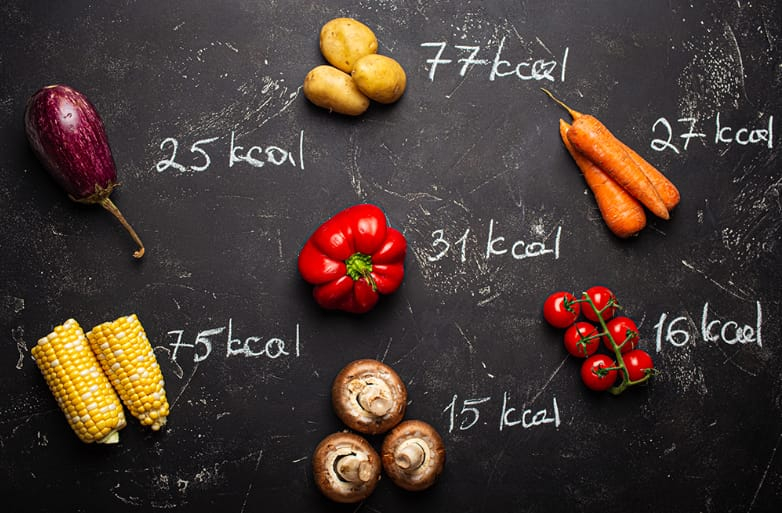
Healthy eating is one of the most effective factors to help you reach your weight loss goals. No fad diet or magic pill can replace the benefits of consuming a healthy and well-balanced meal. Eating whole foods, lean proteins, fruits, vegetables, and whole grains can not only provide essential nutrients but also support weight loss.
These types of foods are easily digestible, keep you full for longer, and have fewer calories than processed or fast foods. So, if you want to shed those extra pounds, start with your eating habits and make your health a priority. Incorporating nutrient-dense foods into your diet can help you pave the way to a healthier and fitter you.
Hormonal changes
Hormonal changes can be a significant factor behind weight loss. Menopause, PCOS, and other hormonal imbalances can impact the body’s ability to regulate weight and affect metabolism. While it may feel frustrating to see the scale not budge despite your best efforts, it’s important to understand that there may be underlying hormonal issues at play.
By addressing these imbalances and working with a healthcare provider, individuals can better understand how to navigate weight loss in a way that supports their overall health and wellness. So if you’ve been struggling to shed those extra pounds, consider looking deeper into any potential hormonal factors that may be impacting your journey.
Maintaining a healthy weight is a common concern for many people. But what if your efforts to shed a few pounds are not yielding the desired results? In some cases, the reason behind slow or unexplained weight loss could be due to underlying health conditions.
Conditions like thyroid disorders, gastrointestinal disorders, or autoimmune diseases can impact your body’s metabolic rate and lead to weight loss. Rather than focusing solely on weight loss, it is important to seek medical advice and get appropriate treatment for any underlying health condition.
Rheumatoid arthritis
Rheumatoid arthritis is a chronic inflammatory disorder that not only causes swollen and painful joints but also might be a hidden factor behind weight loss. Patients with rheumatoid arthritis undergo a unique experience, where their body consumes more calories to function while simultaneously being in a state of chronic pain and discomfort.
As a result, weight loss becomes a common occurrence among those with this condition. Proper rheumatoid arthritis care and treatment can help alleviate symptoms, which in turn, might lead to more weight stability. That being said, it is essential for those with rheumatoid arthritis to work with their healthcare provider to develop a plan that focuses on both symptom management and weight management.
Conclusion
It’s important to note that weight loss should always be approached in a healthy and sustainable manner. Consulting with healthcare professionals, registered dietitians, or certified trainers can provide personalized guidance and support on weight loss journeys.